Welcome to the OstomyLife Community! Meet Laura Cox, Shield HealthCare’s Ostomy Lifestyle Specialist, and explore our library of helpful resources. Here you can find accessible and accurate information about living a happy, healthy and full life with an ostomy. We hope you enjoy our community and find it informational and supportive!
We’re here for you, from before your surgery is even on the calendar to long after your wounds heal. Here you can learn more about your surgery, and find tips on what you can do to recover more quickly – and get back to the life that’s waiting for you.
Whether you’ve been living with your ostomy for weeks, years, or even decades, there’s always something new to learn. From skin care and sleeping tips to talking to family and friends, there’s information for everyone with a stoma, colostomy, ileostomy or urostomy. Can’t find the answer you’re looking for? Ask Laura!
From interviews to how-to’s, some things are best explained in person. Watch these videos for great tips from Laura and our clinical team, who cover topics in a clear and concise way – not to mention fun!
For people living with stomas, keeping their skin around their stoma and underneath the pouching systems (also known as peristomal skin) healthy is imperative to maintaining a high quality of life. Peristomal skin irritation cannot only be itchy and painful, but it also can make skin preservation more difficult due to raw or injured skin… Continue reading Skin Preservation for People with Stomas
Wound, Ostomy, and Continence Nurses (WOCNs) are specialty nurses who, in addition to having a nursing degree and being a registered nurse, complete a WOCN education program, and pass a national certification exam. According to the Wound Ostomy Continence Nurses Society “WOC nurses can specialize in wounds, ostomies, or incontinence, and provide acute and rehabilitative… Continue reading What is a Wound, Ostomy, and Continence Nurse and Why Are They Important?
I have been working with Shield HealthCare for the better part of 15 years but have never spoken about the vision behind the OstomyLife community and why it is personal and important to me. As I return to regularly contributing to our community, I wanted to share my “why.” My story starts in 2010, when… Continue reading The Importance of Community After Ostomy Surgery – Laura’s Perspective
It has been 15 years since Shield Healthcare launched our OstomyLife community in partnership with our Ostomy Lifestyle Specialist, Laura Cox, and we wanted to reintroduce ourselves. The OstomyLife community was created in an effort to provide a hub for resources and support around ostomy lifestyle concerns, as well as foster a sense of community… Continue reading Welcome (Back) to the OstomyLife Community
1 in 100 Americans live with the invisible symptoms of Crohn’s disease or ulcerative colitis, collectively known as inflammatory bowel disease (IBD). IBD is a broad term that describes conditions characterized by chronic inflammation of the gastrointestinal tract. Although Crohn’s disease and ulcerative colitis are not the only types of inflammatory bowel diseases, they are… Continue reading Trust Your Gut – When to Speak to a Doctor About Your Bowels
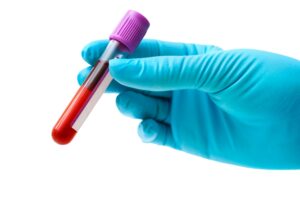
Shield is a blood test from Guardant Health for colorectal cancer screening in average-risk individuals 45 and older. The U.S. Food and Drug Administration (FDA) has approved the first blood test for colorectal cancer (CRC) screening in adults age 45 and older who are at average risk for the disease. Shield™ Blood Test for CRC… Continue reading FDA approves blood test for colorectal cancer screening
Many people with ileostomies have experienced food blockages. Blockages can be treated at home in the early stages with a variety techniques.
There are so many ostomy hacks, tips and tricks people pick up while living with an ostomy. The following 5 tips are some of my favorite hacks!
1 in 100 Americans live with the invisible symptoms of Crohn’s disease or ulcerative colitis, collectively known as inflammatory bowel disease (IBD).
Tips on how to make your transition back to work after ostomy surgery as easy as possible and what to talk to your boss about.
My family and I are taking a road trip. I wanted to know what accessories should be used when starting to drive or ride in a car. Should I use something to cover the stoma?
Great question! It all depends on if the seat belt is coming in contact with your stoma.Have a question for Laura?
Ask Laura